


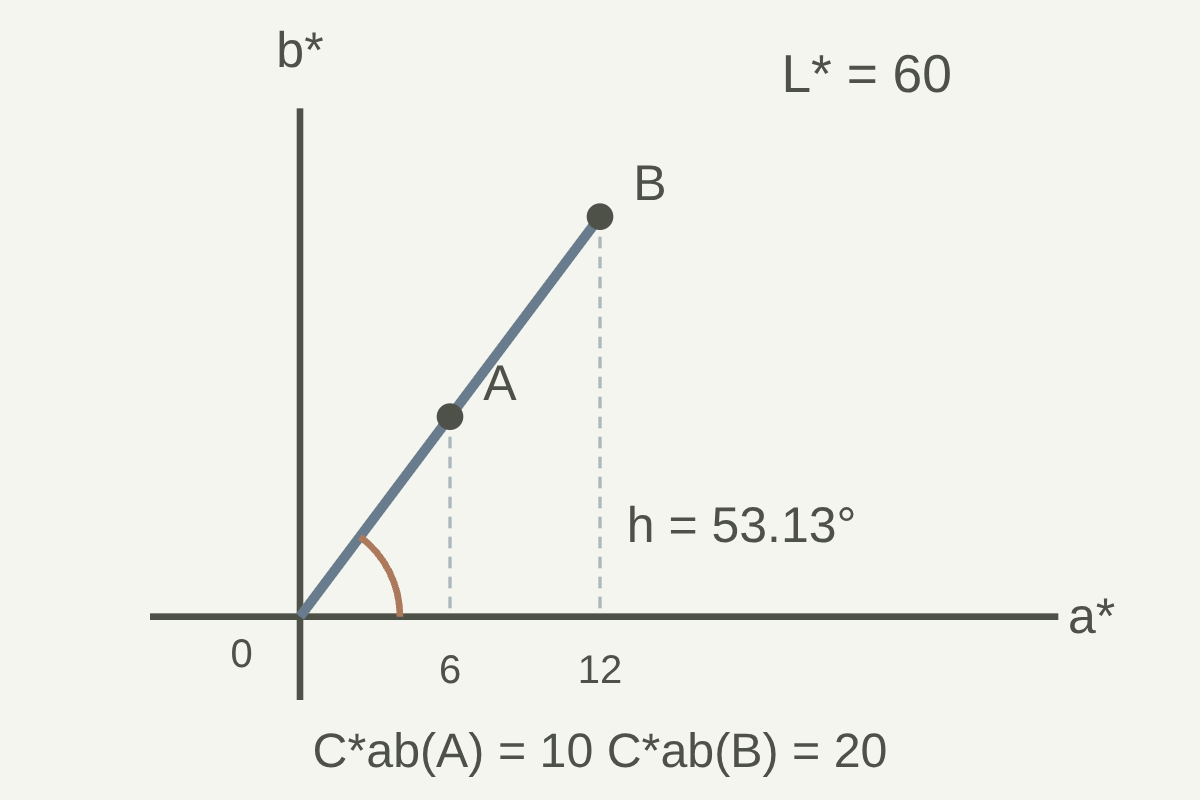
Chroma and saturation: understanding C* in paint samples
Distinguish chroma from saturation, calculate C* from a* and b*, and compare color strength without confusing it with lightness or hue.
Read the article
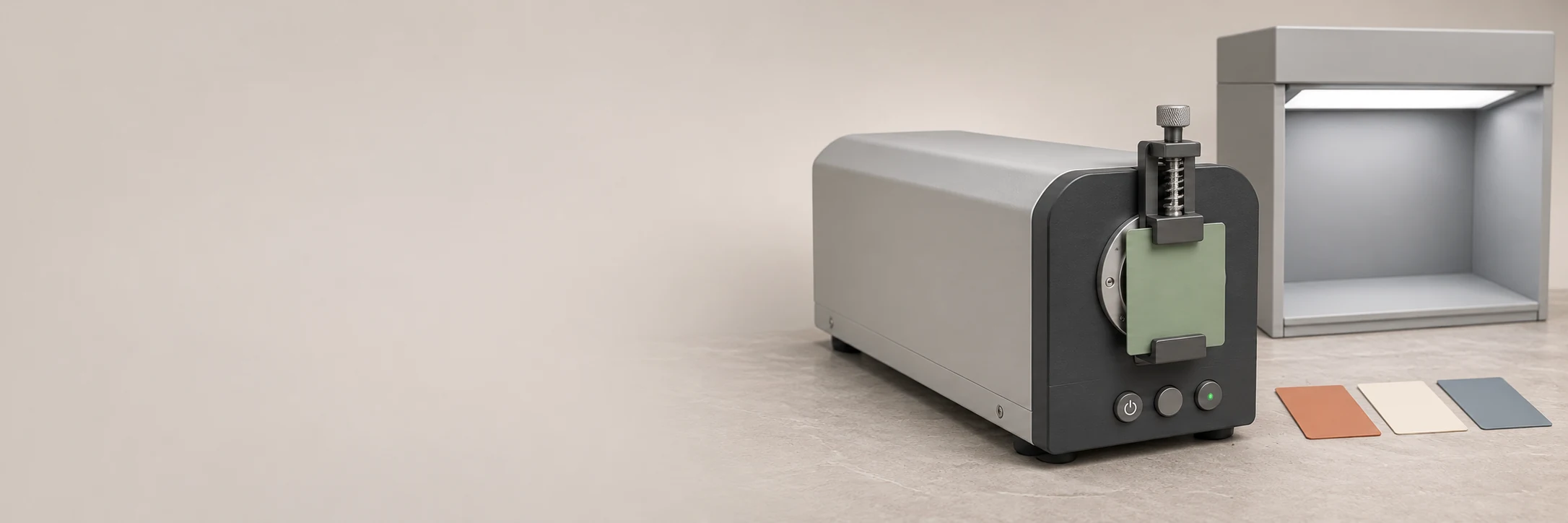
Explore how light, measurement and surface appearance influence color assessment, with practical guidance on comparing physical samples and interpreting color differences.
Distinguish chroma from saturation, calculate C* from a* and b*, and compare color strength without confusing it with lightness or hue.
Read the article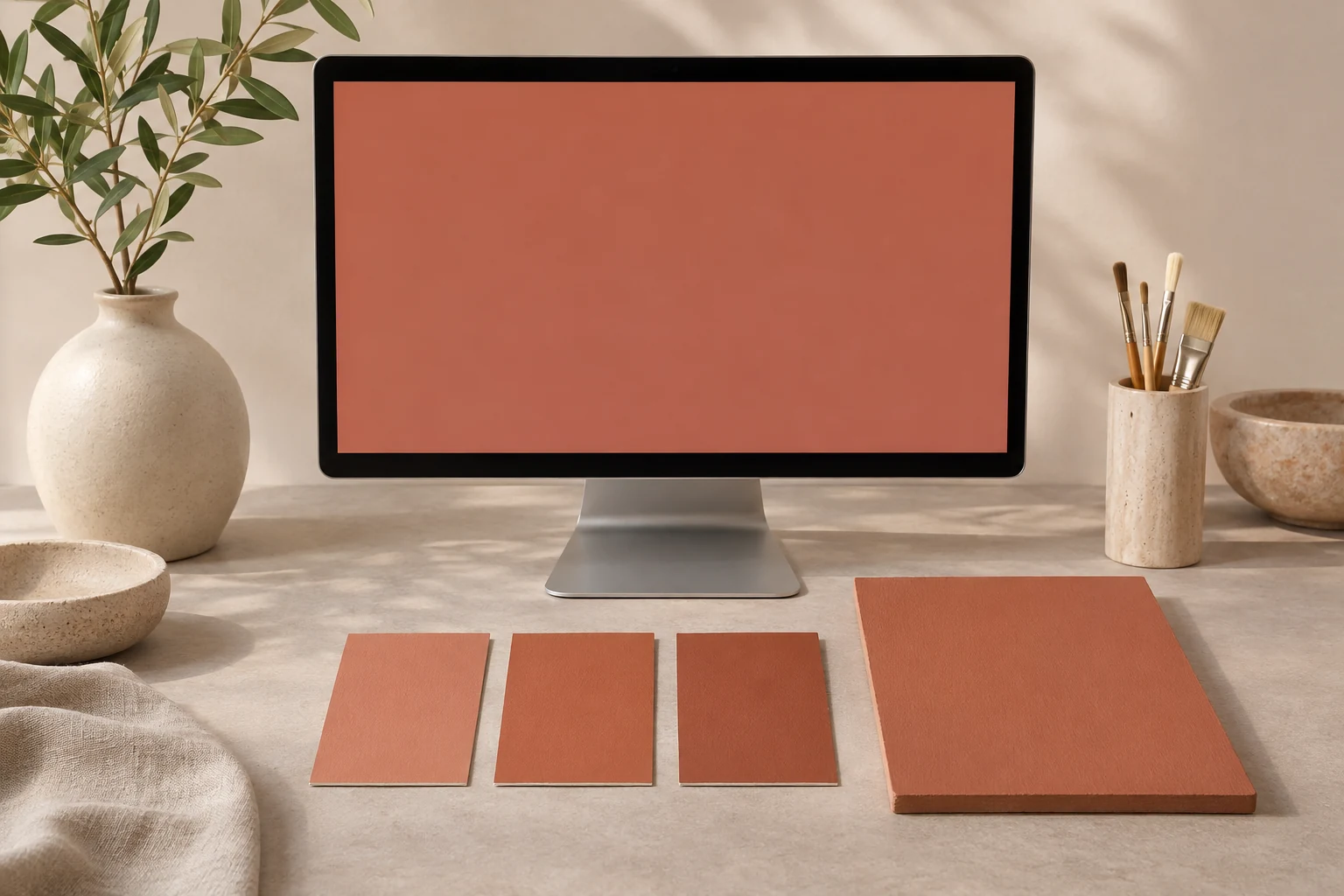
Build a dependable path from a digital color brief to an approved physical paint sample.
Read the article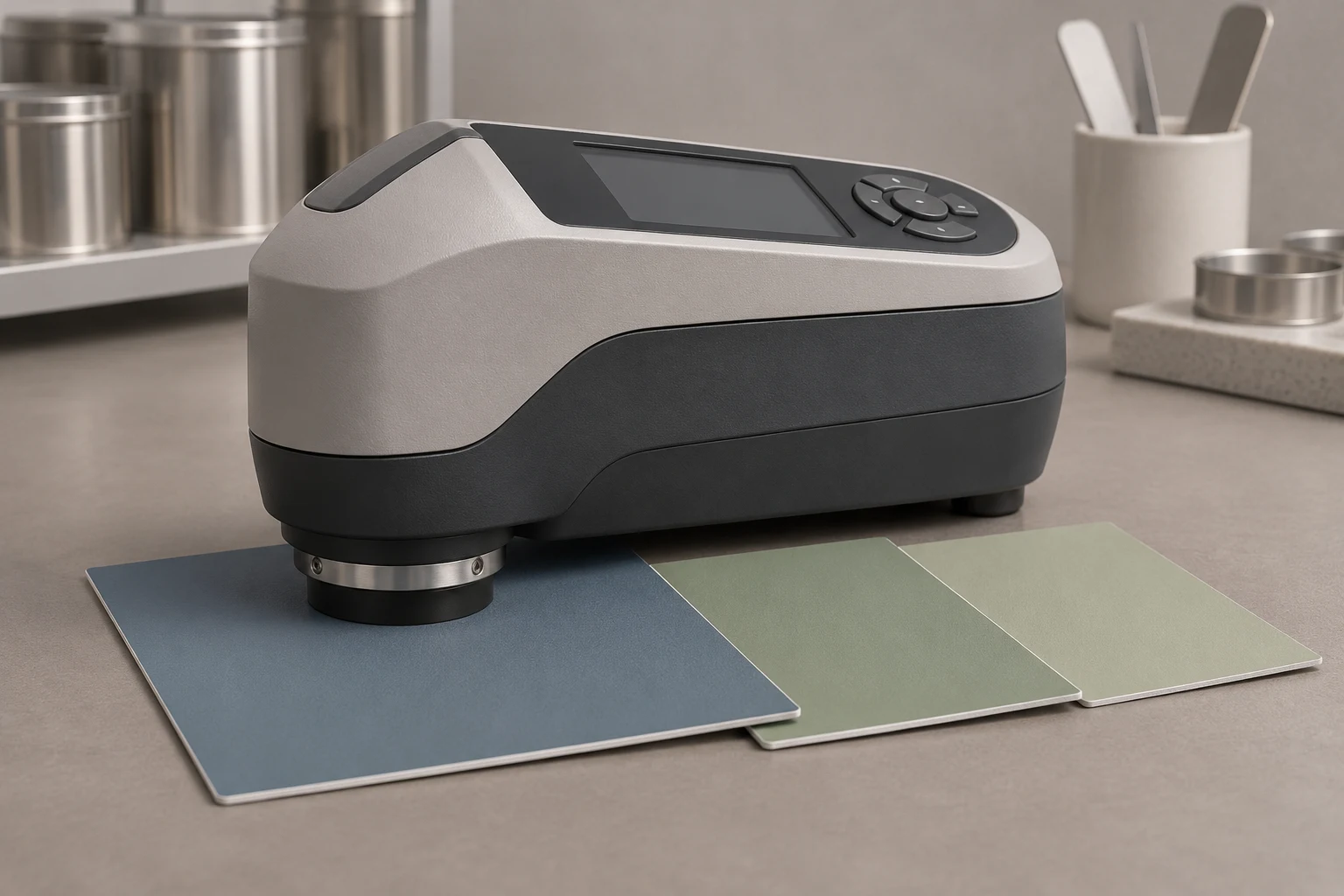
Learn how to compare reflectance curves and use spectral evidence without overinterpreting it.
Read the article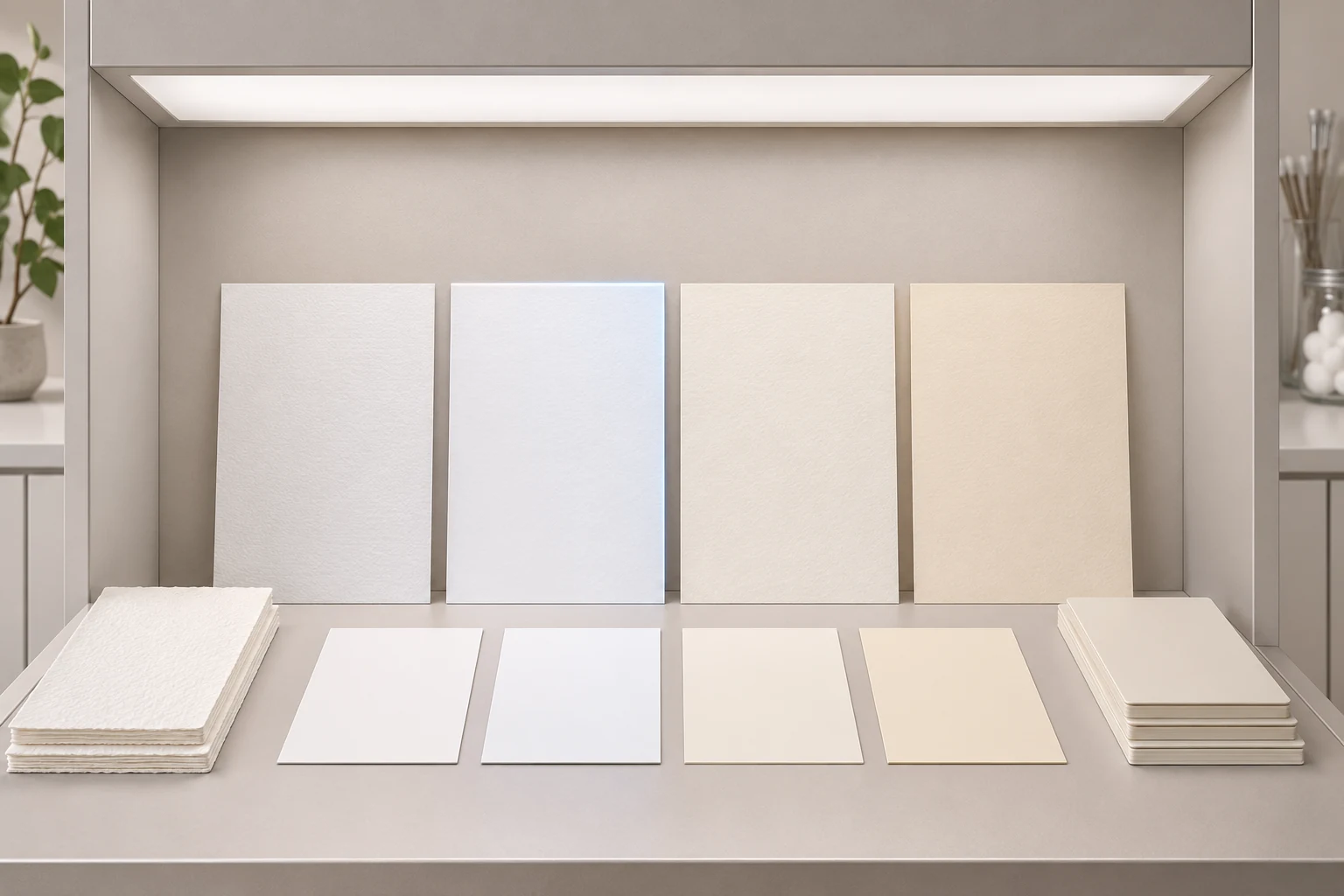
Evaluate white materials with attention to ultraviolet content, fluorescence and viewing conditions.
Read the article
Use LRV to support architectural color decisions while keeping appearance and project requirements in view.
Read the article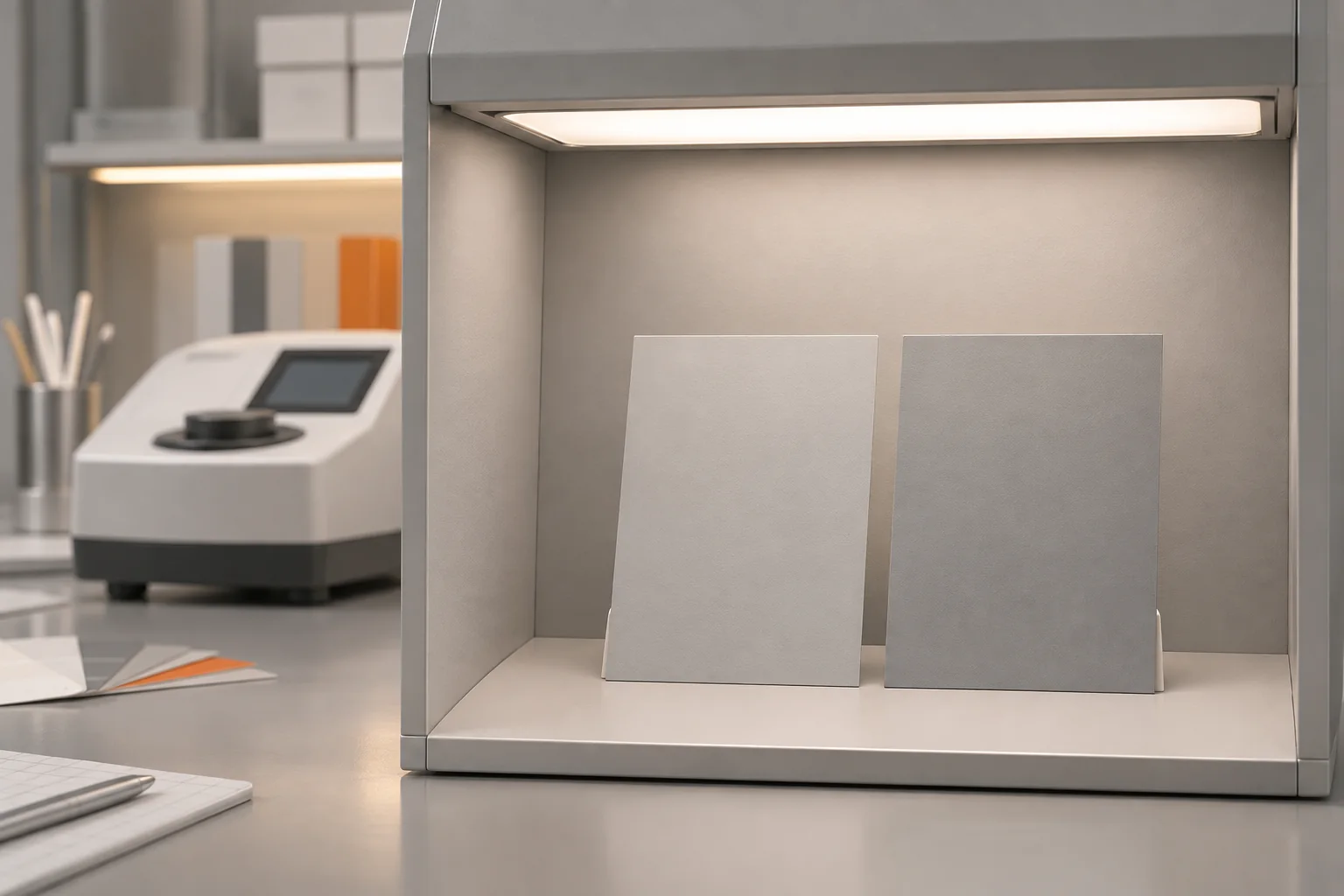
A practical method for connecting physical masters, visual assessment, measurement conditions and documented production decisions.
Read the article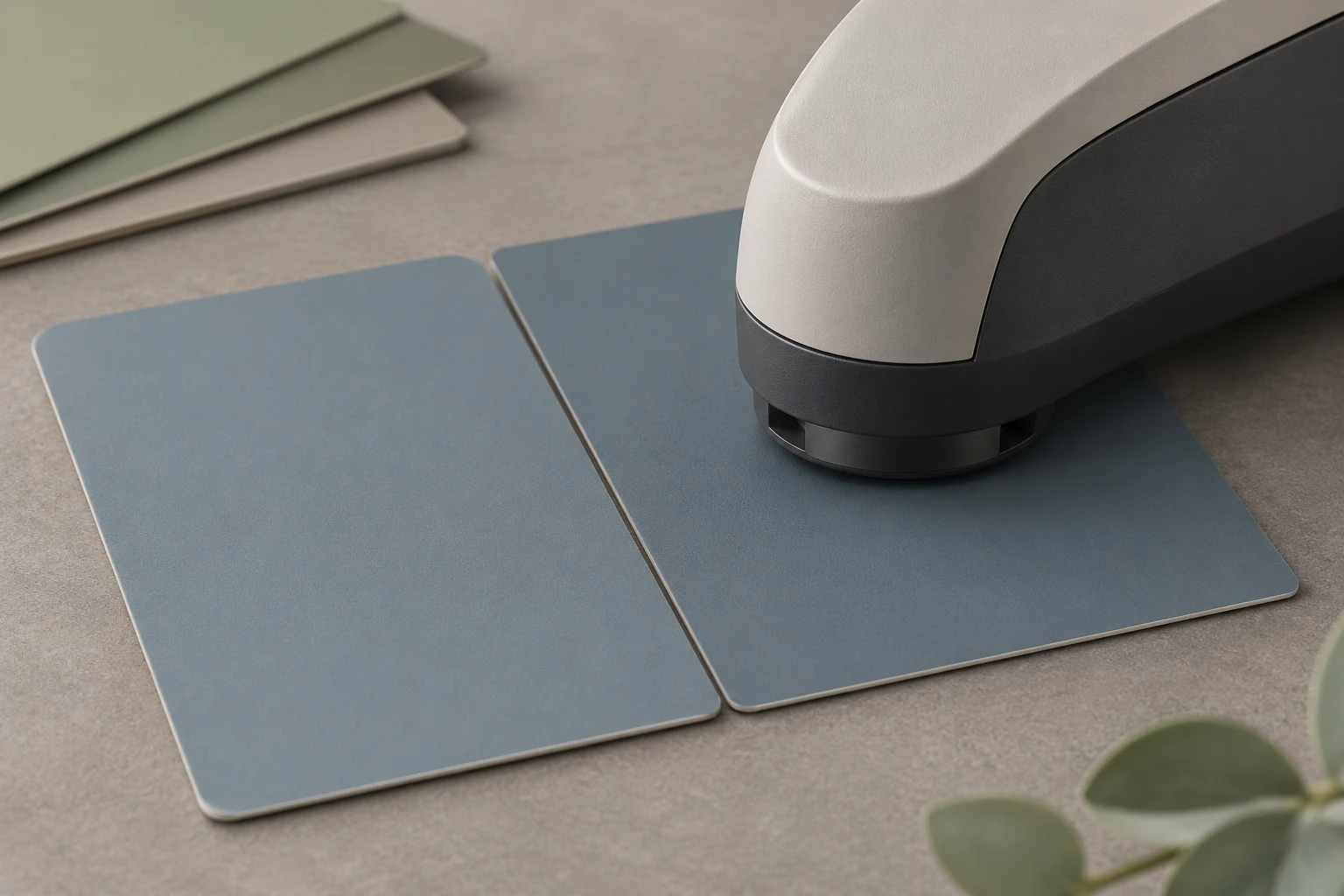
Interpret color-difference results, distinguish formulas and build acceptance limits around a defined application.
Read the article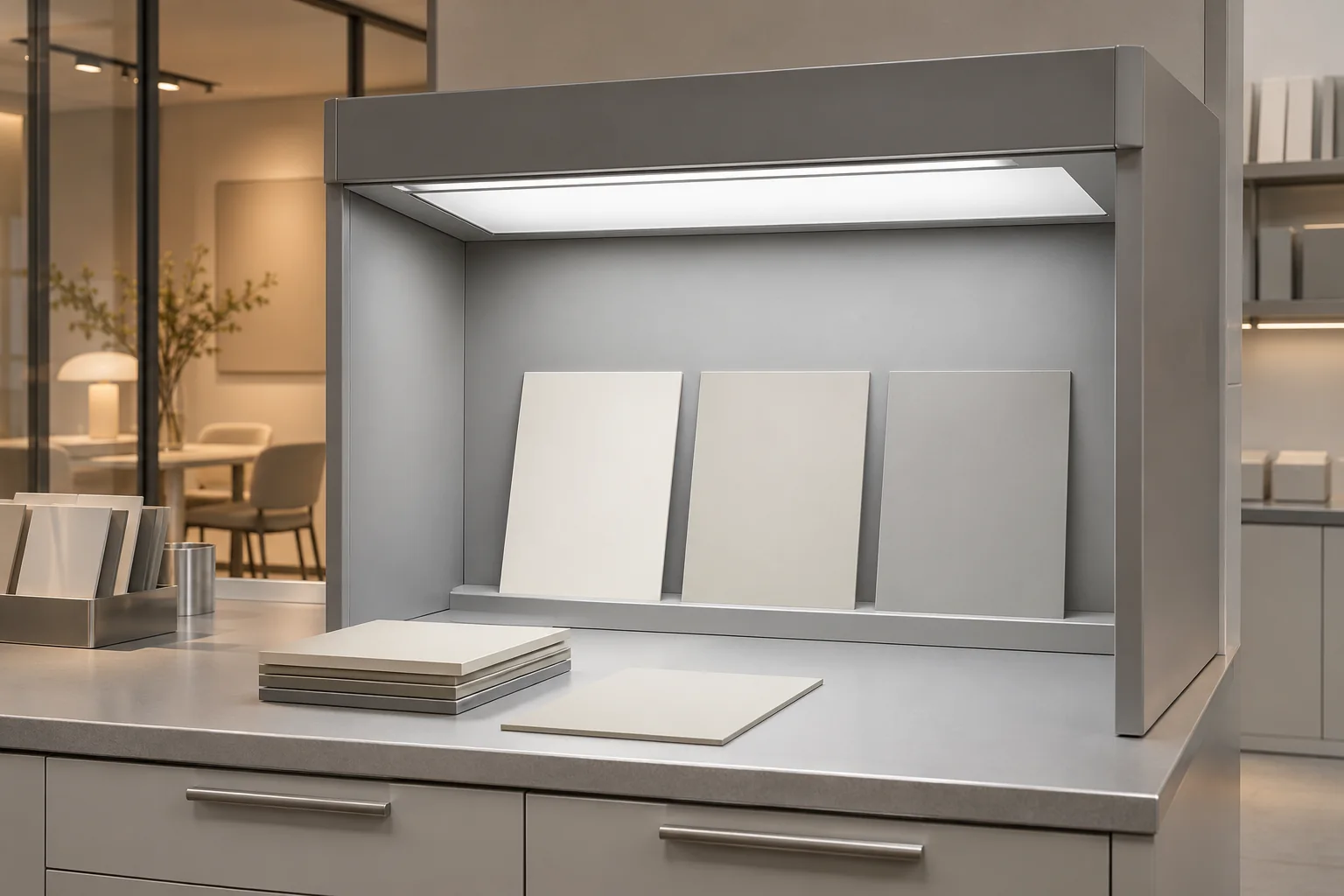
Build a consistent visual assessment environment and distinguish a physical light source from a mathematical illuminant.
Read the article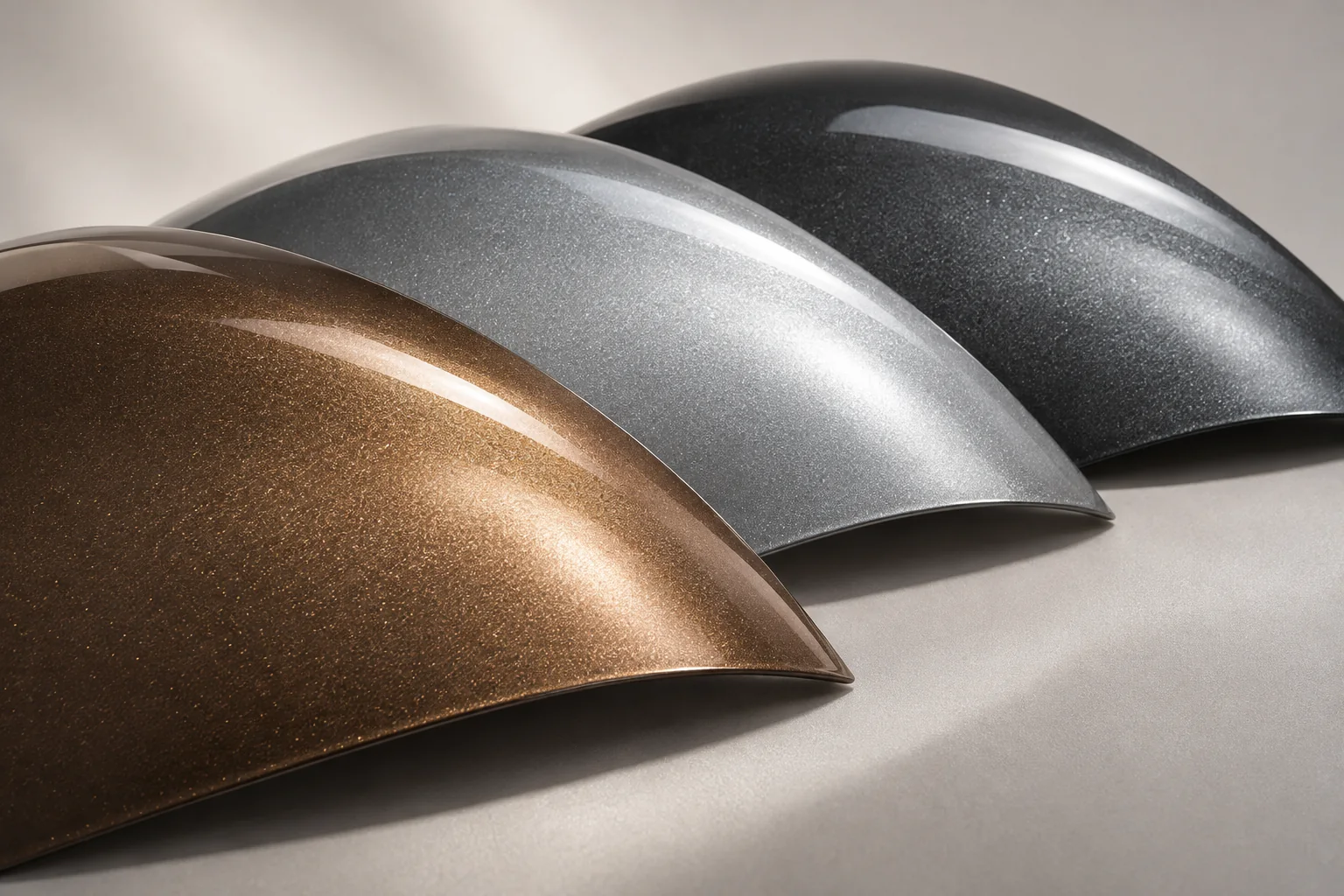
Assess angle-dependent color, sparkle and surface structure without reducing an effect finish to one static reading.
Read the article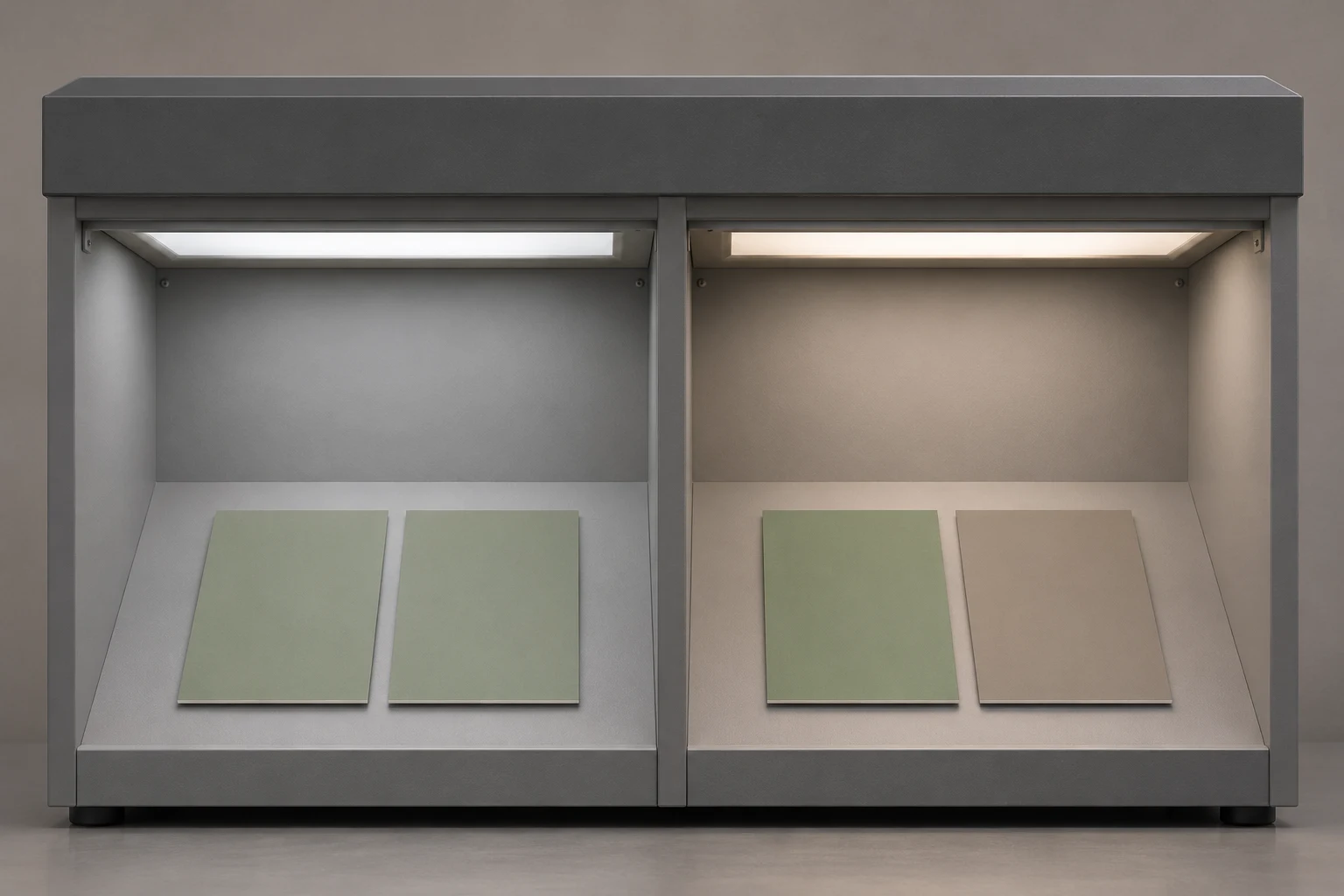
Understand illuminant metamerism and design a practical multi-light review for paint samples and coordinated materials.
Read the article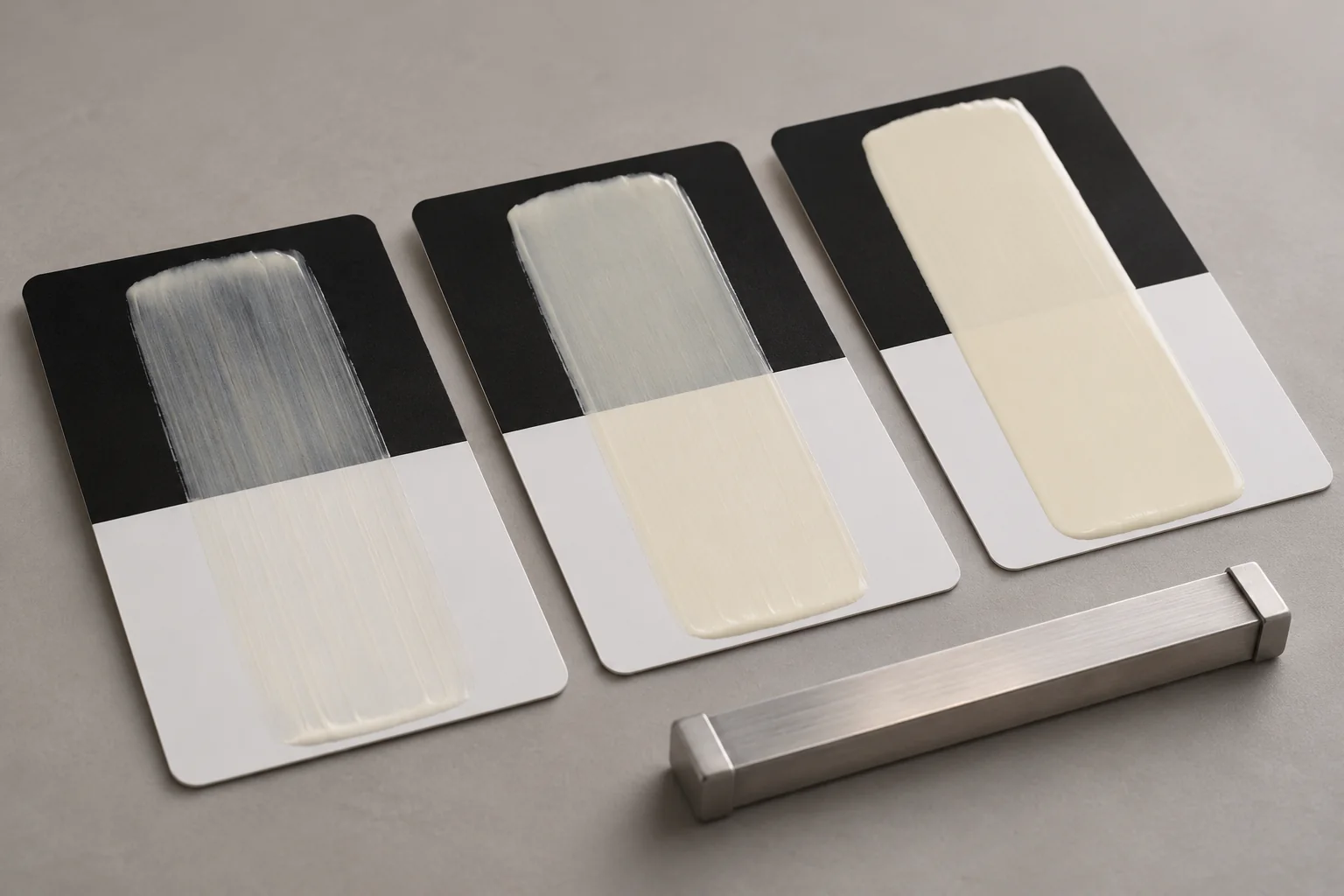
Understand why incomplete hiding and inconsistent backing can alter the evaluation of a coated sample.
Read the article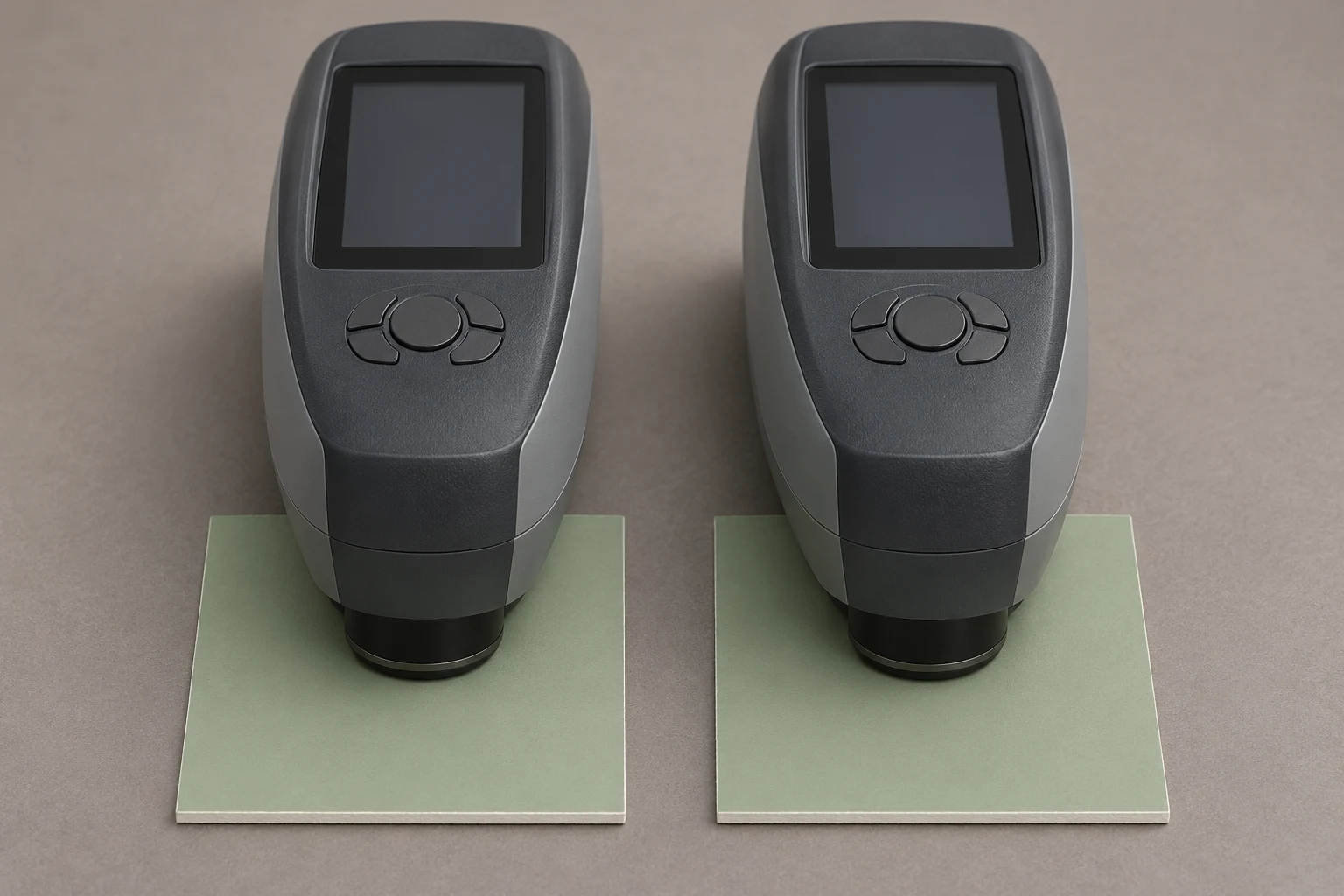
Separate instrument stability, sample placement and operator variation before interpreting production color differences.
Read the article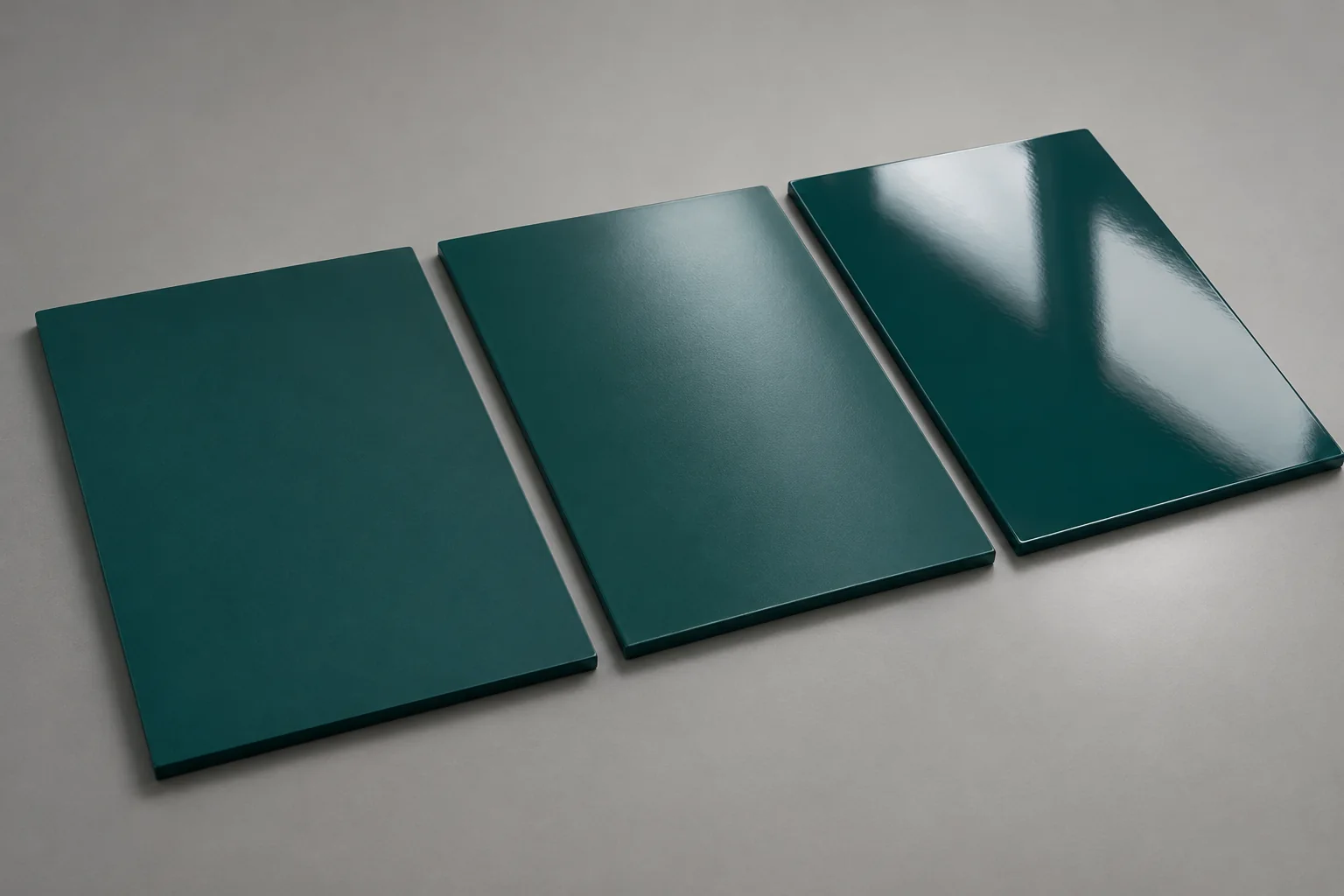
Separate instrumental color assessment from gloss and texture when evaluating coated samples.
Read the articleDiscuss your next color sampling project with our team.