


PHOENiX Sample · 4 min read · Last updated
A handmade prototype can approve a design concept without proving that the same result will survive a full manufacturing run. Production introduces actual material lots, machine settings, sequencing, assembly and packing. The first production approval should test that combined system and define what evidence allows the run to continue.

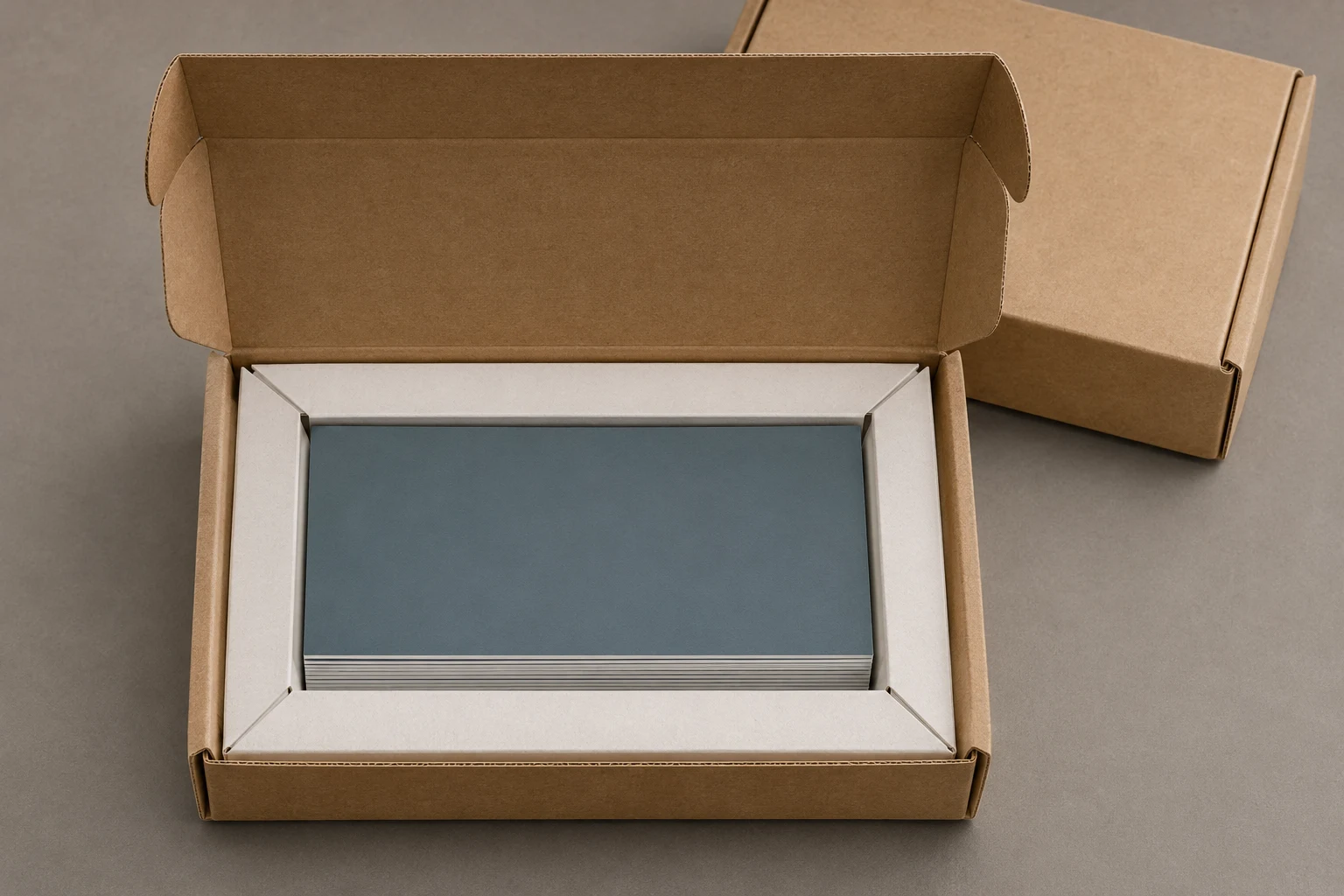
AI-generated concept illustration: Prototype fan deck beside stacked production sample leaves.
Define what the prototype has approved
List the decisions already accepted: dimensions, shade targets, layout, substrate, finish, binding and packaging. Mark anything that remained provisional. A prototype assembled from substitute stock should not silently become approval of the final production material.
Create a controlled release pack with one revision for artwork, one approved color register and identified physical targets. Resolve contradictory files before production begins. If a shade name changes while the color code remains fixed, make that relationship explicit in the release record.
Build the pilot using the production route
Use the intended equipment, materials and assembly sequence wherever practical. If the pilot omits a step or uses a substitute, record the limitation and identify the later check required. A special specimen prepared outside the production route may demonstrate appearance but provide little evidence about repeatability.
Check more than the first convenient item. Include specimens that reveal relevant positions, stages or assembly variants. The exact selection depends on the process; document why the chosen specimens represent the risks instead of applying an arbitrary number to every job.
Explore the fan deck manufacturing process for your project.
Separate the approval gates
| Gate | Evidence | Typical release question |
|---|---|---|
| Color and appearance | Approved target comparison under agreed conditions | Does the manufactured surface meet the brief? |
| Content integrity | Complete code, name and sequence verification | Can every sample be identified correctly? |
| Construction | Dimensions, binding, adhesion and handling review | Does the assembled product function? |
| Production consistency | Defined checks across relevant specimens | Is the result repeatable enough to proceed? |
| Packing | Count, protection and label verification | Will the approved product reach the right destination? |
A visually excellent card with a swapped code is still a serious failure. Keep content integrity as a separate gate so the attraction of a good color match does not overshadow identification errors.
Use sampling for its intended purpose
ASQ defines acceptance sampling as using a sample to make a decision about a lot, and its glossary distinguishes related sampling and inspection concepts. [1] A sampling plan needs a defined lot, selection method, acceptance criteria and response to failure. It does not mean that every uninspected item has been proven correct.
Do not choose an acceptance quality limit (AQL) or sample size simply because it was used on another job. Agree the sampling plan with the responsible quality team, taking account of defect severity and contractual requirements. An AQL is not a guarantee that a delivered lot contains no more than that percentage of defects. For a unique artwork or shade register, check every entry rather than treating different entries as interchangeable.
NIST makes the distinction explicit: acceptance sampling supports a decision to accept or reject a lot, rather than estimating its overall quality. Keep that purpose separate from ongoing process monitoring. [2]
Handle a failed gate without losing traceability
In an illustrative pilot, the color checks pass but two leaves are reversed in assembly. Hold the affected output, identify the assembly cause, correct the instruction and verify a fresh set through the corrected route. Keep the failed evidence in the record; replacing it with a perfect specimen conceals the reason for the corrective action.
If rework is allowed, specify how it is identified and re-inspected. Do not mix reworked and untouched stock without a record. The release decision should identify what was accepted, what remains on hold and who authorized continuation.
Carry the approved state into the main run
Retain signed production samples, the relevant settings and material lot identities. Define triggers for renewed approval, such as a material substitution or significant process interruption. Set routine checks that can detect drift after the pilot rather than assuming the initial approval covers every later condition.
Check change over the pilot run
Collect labelled sheets at the start, middle and end of the pilot. Measure the same positions against one retained master and keep the readings in production order. If later sheets trend lighter, examine the coating and drying records before releasing the main run. Repeat the affected part of the pilot after correction. Use the three checkpoints to screen for drift and collect more data over time to assess process stability. NIST — Assessing Process Stability
Practical conclusion
The goal is a production reference that operators, quality staff and the customer can all interpret. A concise release record should link the accepted physical sample, the documentation revision and the applicable inspection results.